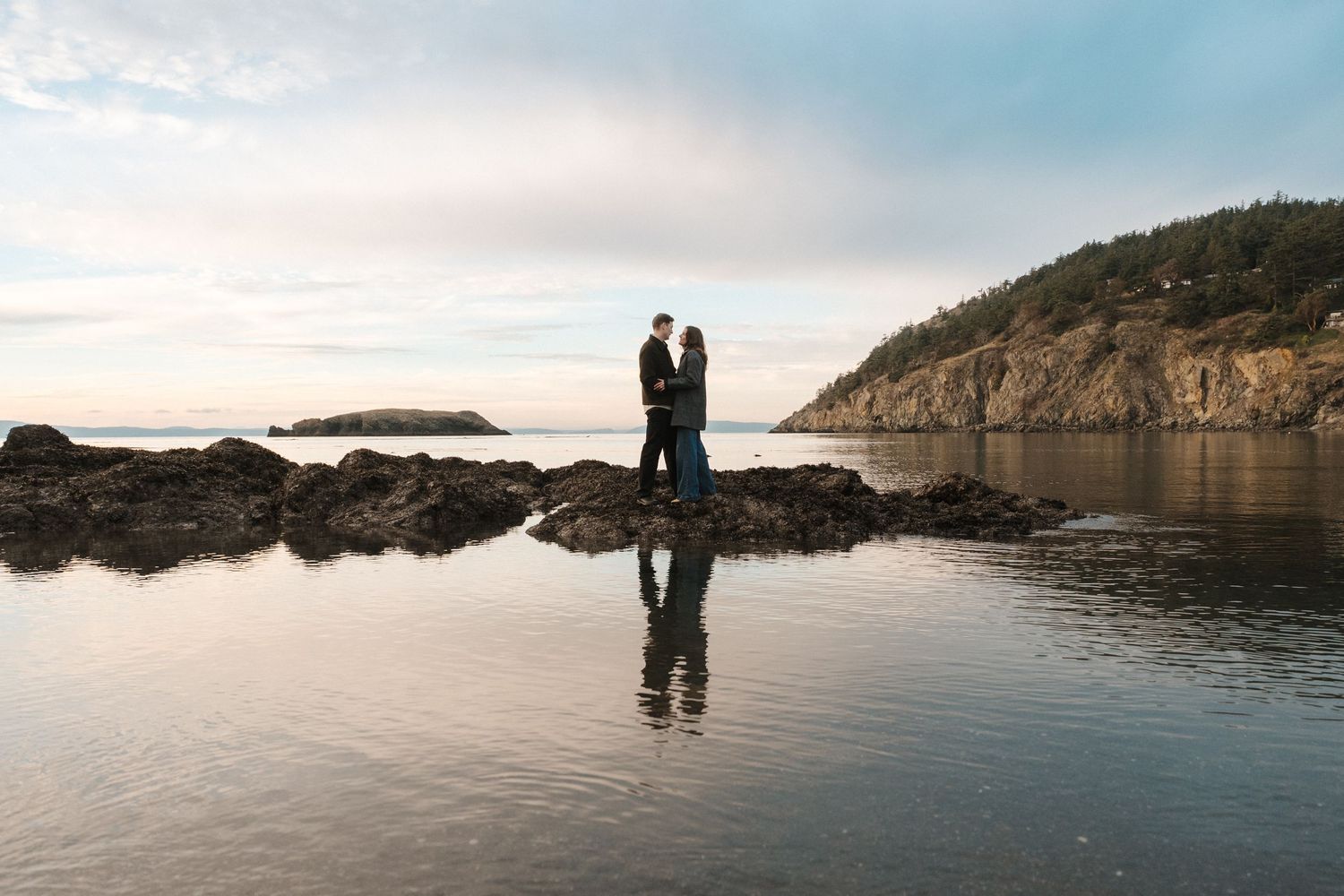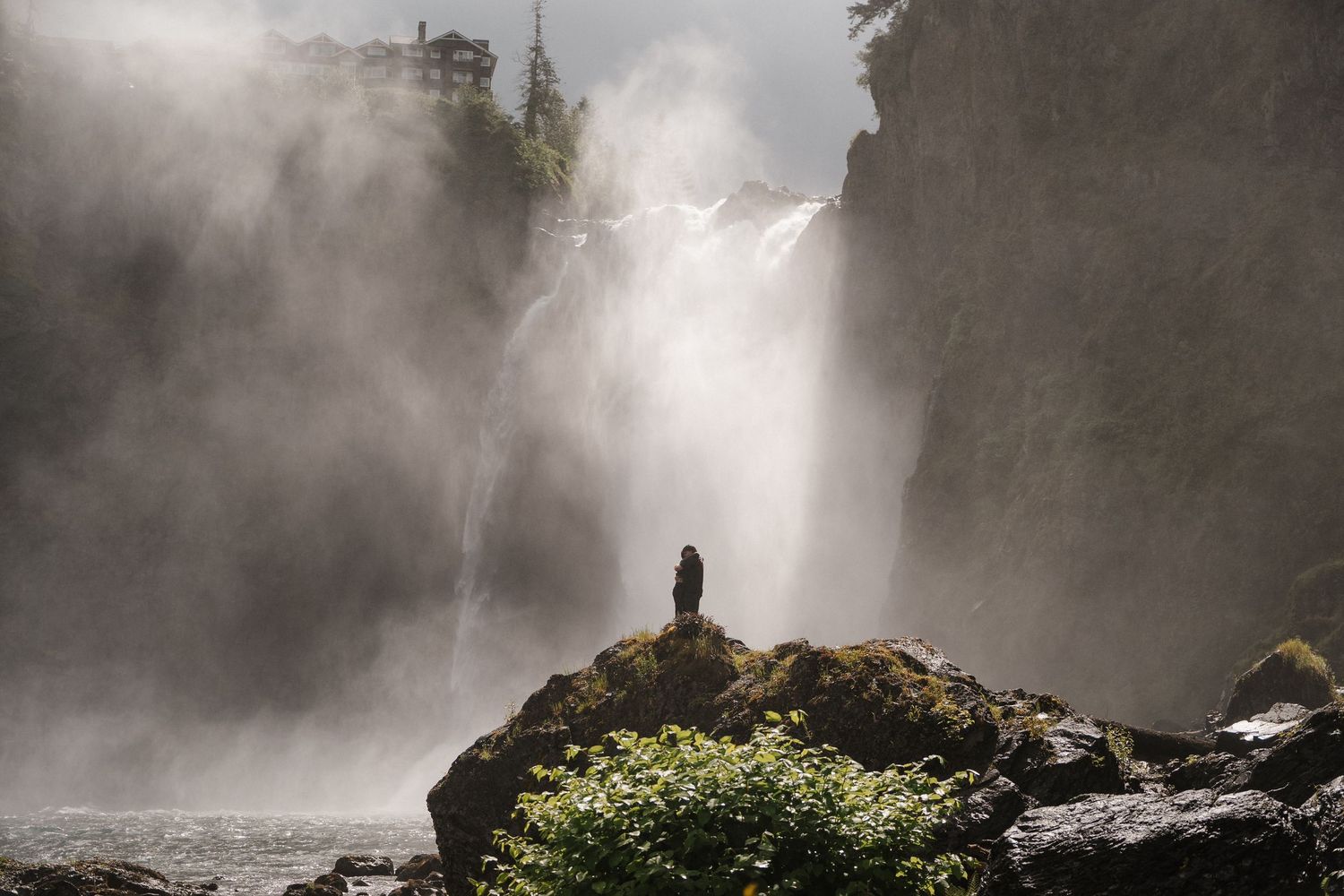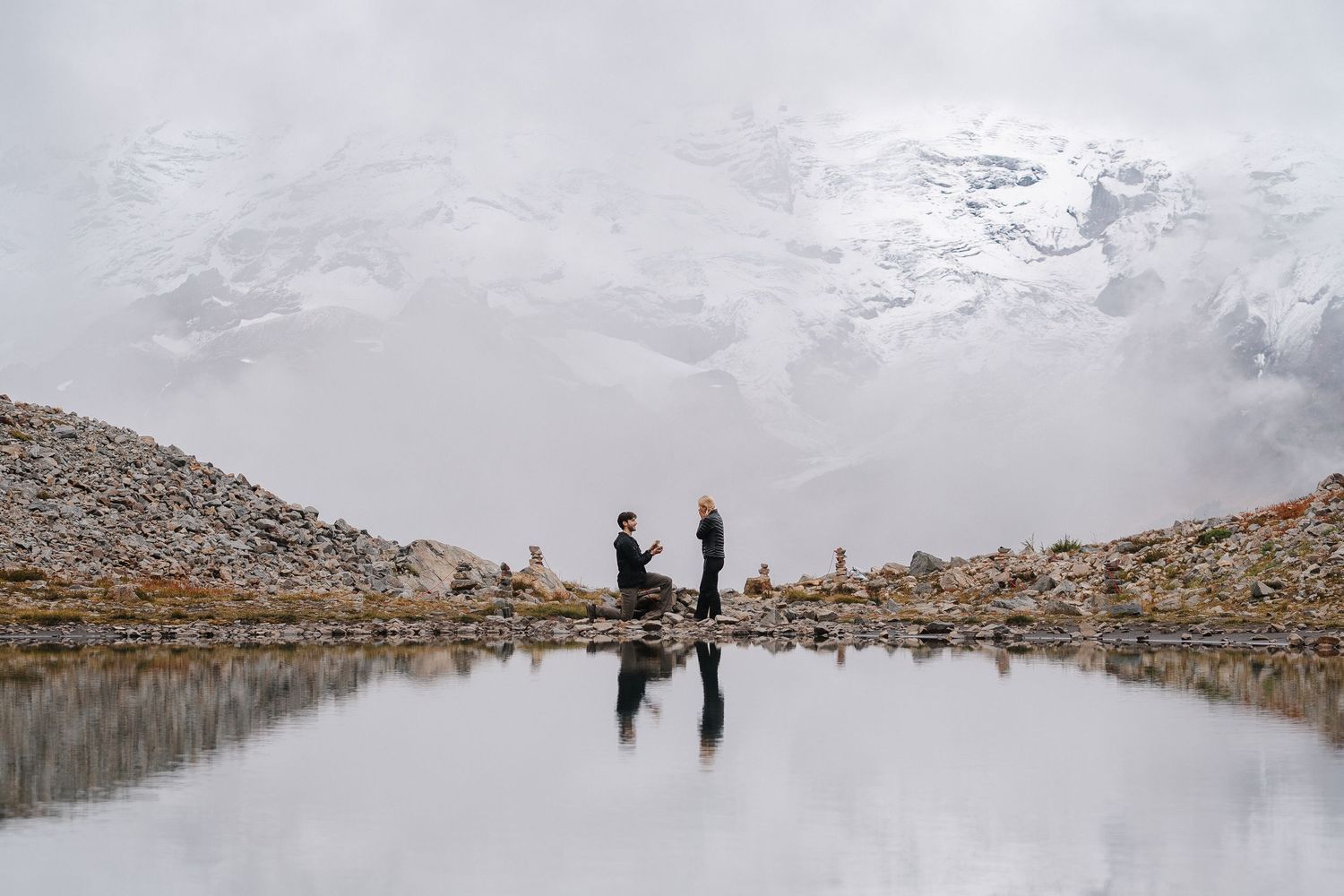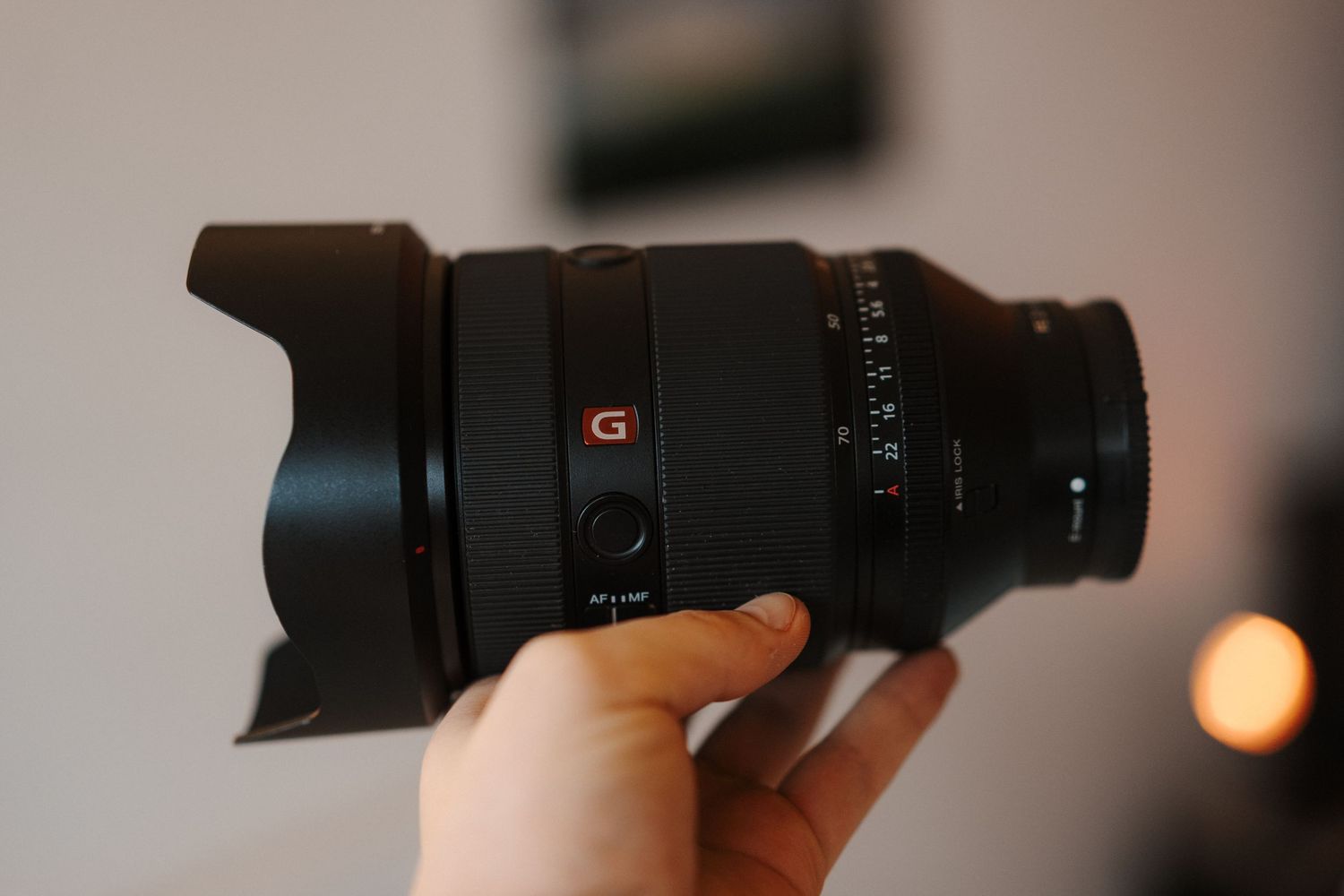
If you’ve ever wished your “standard zoom” could give you prime-like separation without forcing you to swap lenses all day, Sony basically made this lens for you.
I’ve been shooting weddings with the Sony FE 28–70mm F2 GM, and my experience has been overwhelmingly positive. It’s become my go-to workhorse for fast-moving days where I want beautiful bokeh, fast autofocus, and flexibility—without living in my camera bag.
This post is my real-world take, plus the hard specs pulled from Sony so you can compare it cleanly to the Sony FE 24–105mm F4 G OSS, which (to be clear) is still one of the best “do everything” travel/event lenses Sony makes. As a Seattle wedding photographer shooting all over Washington State, I’m always looking for gear that can handle unpredictable light, fast timelines, and real moments without slowing me down
Quick context: what makes the 28–70mm F2 GM different?
Sony built the 28–70mm F2 GM as a constant-aperture F2 zoom, meaning it stays at F2 throughout the zoom range. That’s the whole “prime replacement” feeling in one sentence.
And yes: F2 vs F4 is a 2-stop difference (roughly 4× more light), which matters a lot for weddings. Dim getting-ready rooms, darker receptions, and anytime you want separation without cranking ISO.
For Seattle weddings (and honestly most Washington venues), that extra light and separation is the difference between ‘nice’ and ‘wow’ especially indoors.
The specs that actually matter (from Sony)
Sony FE 28–70mm F2 GM (SEL2870GM)
Focal length: 28–70mm
Max aperture: F2 (constant), 11-blade circular aperture
Lens construction: 14 groups / 20 elements
Min focus distance: 0.38 m / 1.25 ft
Max magnification: 0.23×
Filter size: 86mm
Weight: 918g (32.4 oz)
Stabilization: no OSS (uses body stabilization)
Controls: aperture ring with click ON/OFF, iris lock, adjustable zoom ring torque, AF/MF switch, dual focus hold buttons
AF: Sony notes four XD linear motors for high-performance AF tracking
Sony FE 24–105mm F4 G OSS (SEL24105G)
Focal length: 24–105mm
Max aperture: F4 (constant), 9-blade circular aperture
Lens construction: 14 groups / 17 elements
Min focus distance: 0.38 m / 1.25 ft
Max magnification: 0.31×
Filter size: 77mm
Weight: 663g (23.4 oz)
Stabilization: Optical SteadyShot (OSS)
28–70 F2 GM vs 24–105 F4 G OSS (real-world comparison)
Here’s the honest trade:
1) Background blur & “prime vibe”
28–70 F2 GM wins—hard.
The bokeh is incredible, and F2 makes it feel like primes aren’t required for most of the day. Sony also leans into this with an 11-blade circular aperture and design choices aimed at refined bokeh.
With the 24–105 F4, you can absolutely get subject separation, but it’s not the same look. It’s clean and sharp, just not as dreamy at typical wedding distances.
2) Low light
Again: F2 wins.
At weddings, this shows up constantly—reception speeches, dance floor, candlelit moments, etc. I can keep shutter speeds healthier and ISO lower.
3) Range & “how many moments can I cover without moving?”
24–105 wins on coverage.
24–105mm is ridiculously practical. It’s wide enough for tight rooms and long enough for quick candids without stepping into people’s space.
The 28–70 range is “okay”… but I do feel the missing 24mm. That extra 4mm on the wide end matters in real life—especially in small venues, crowded getting-ready rooms, or when you want an environmental wide shot without backing into a wall.
4) Travel friendliness
Even though the 28–70 is impressively light for what it is at 918g, the 24–105 is still the better travel companion at 663g, with a smaller footprint and way more reach.
5) Stabilization
If you shoot a lot of slower shutter handheld (especially video or dim interiors), the 24–105 has OSS and the 28–70 does not. (Modern Sony bodies have great IBIS, but OSS still helps in certain scenarios.)
Travel Photos With The 24-105mm

Portraits are great and sharp, but you definitely don't have that same blur
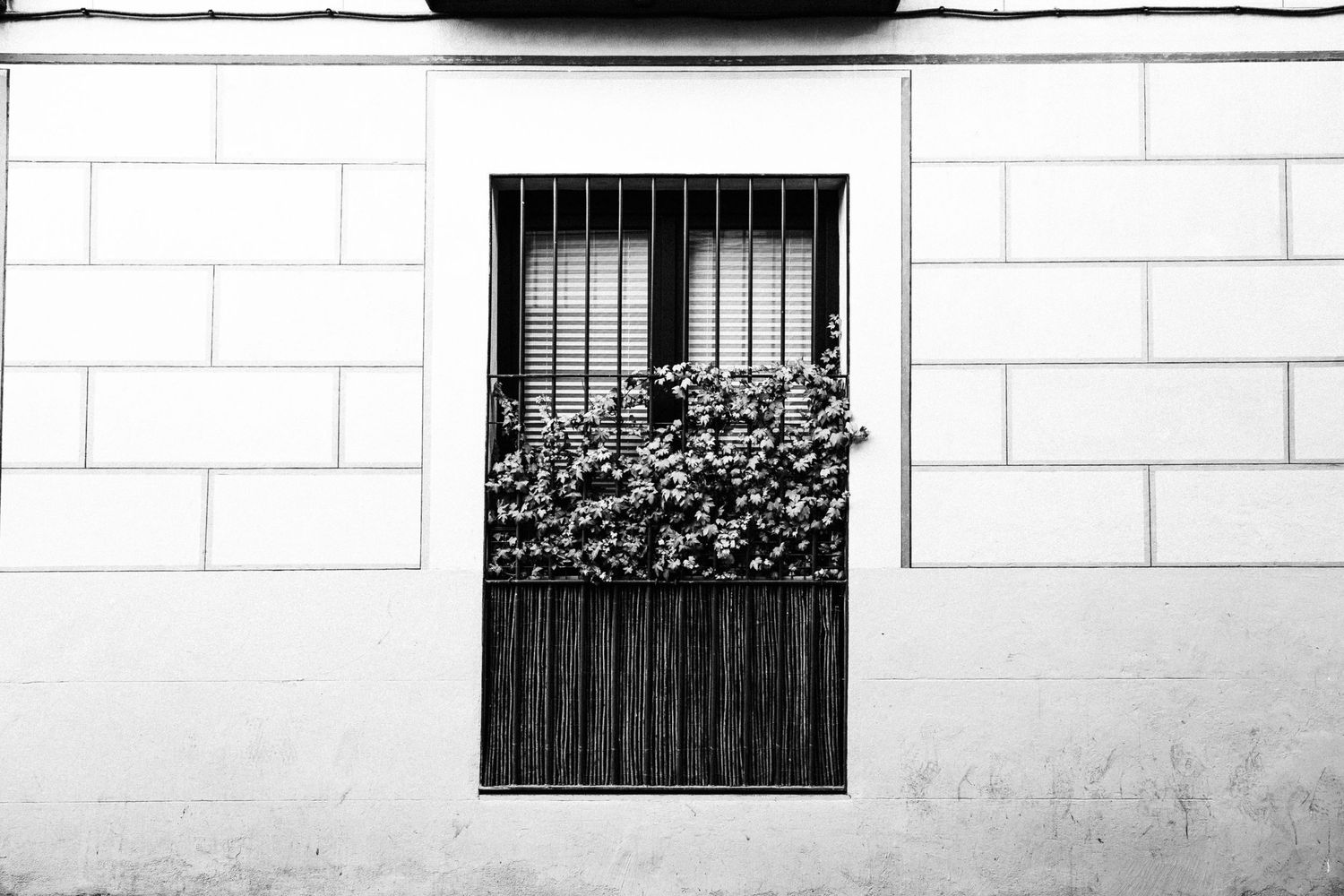
When traveling with this lens, I find myself focusing a lot on composition
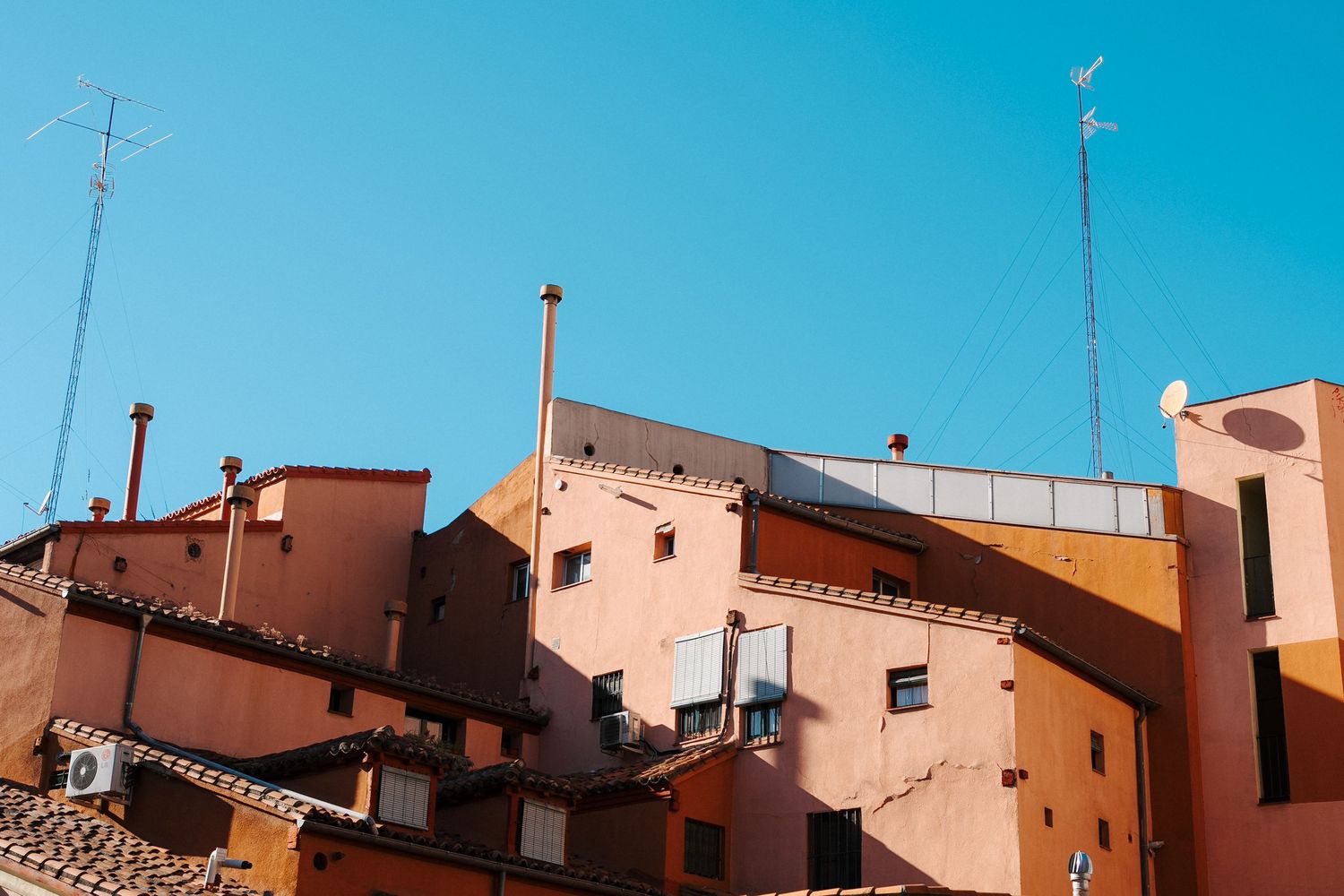
The colors come through great through the glass and edges are sharp
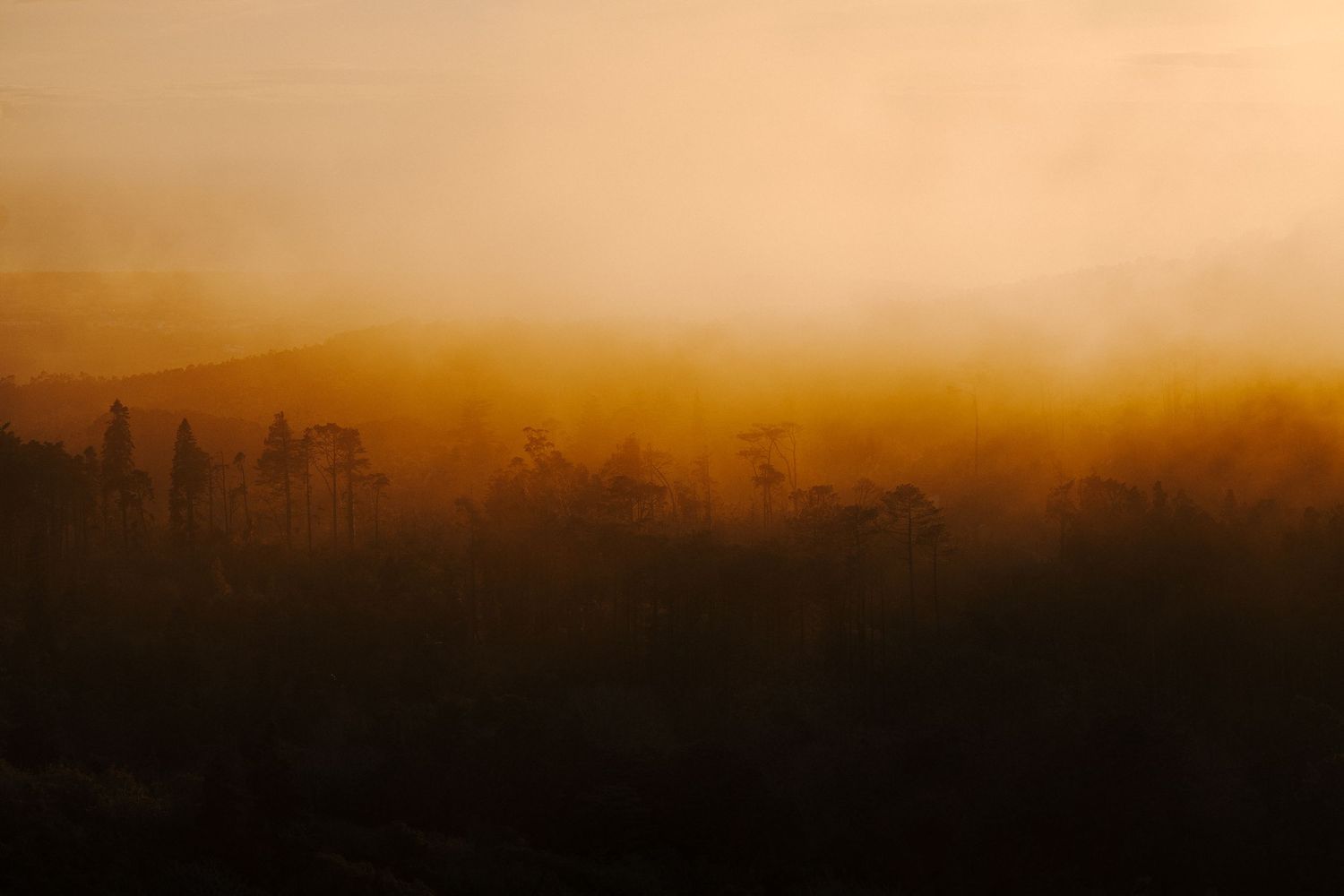
The 105 allows to zoom far and have great compression

The 24mm is especially helpful when it comes to wide angle panoramas
Wedding Photos With The 28-70mm
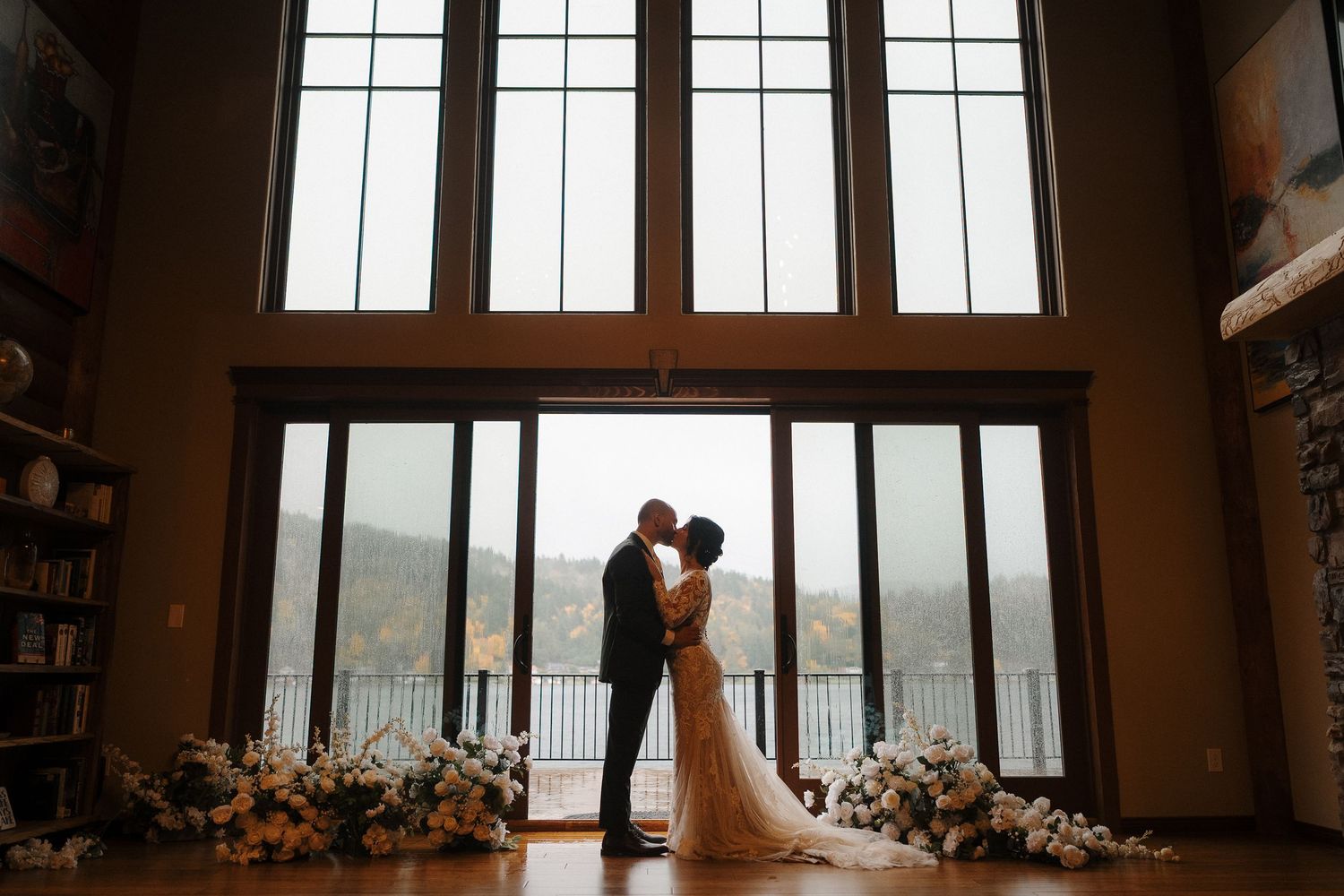
The lens can get pretty wide, and its amazing to have such depth at this width
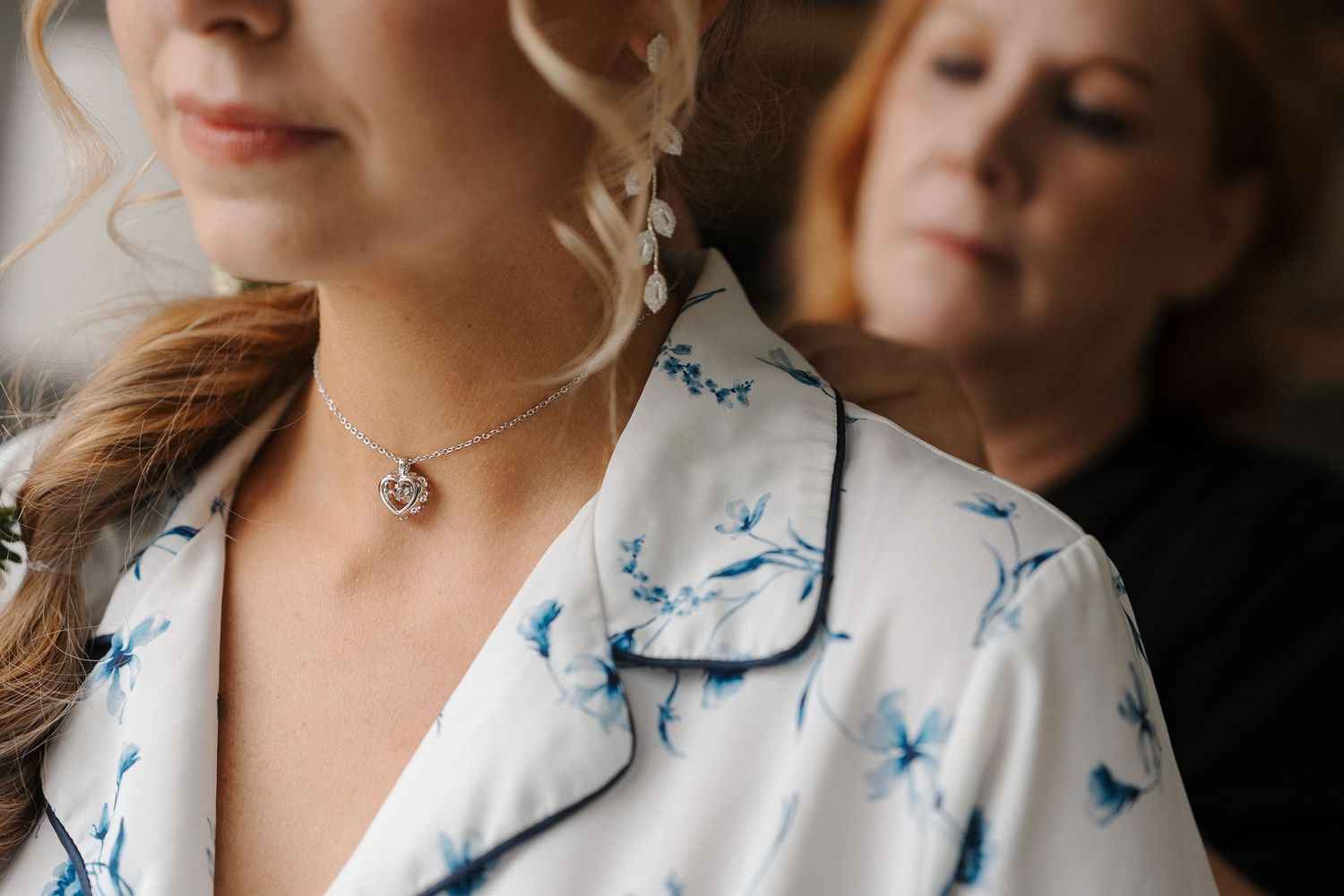
Zoomed in at 70mm you get an amazing blur, great for story telling photography
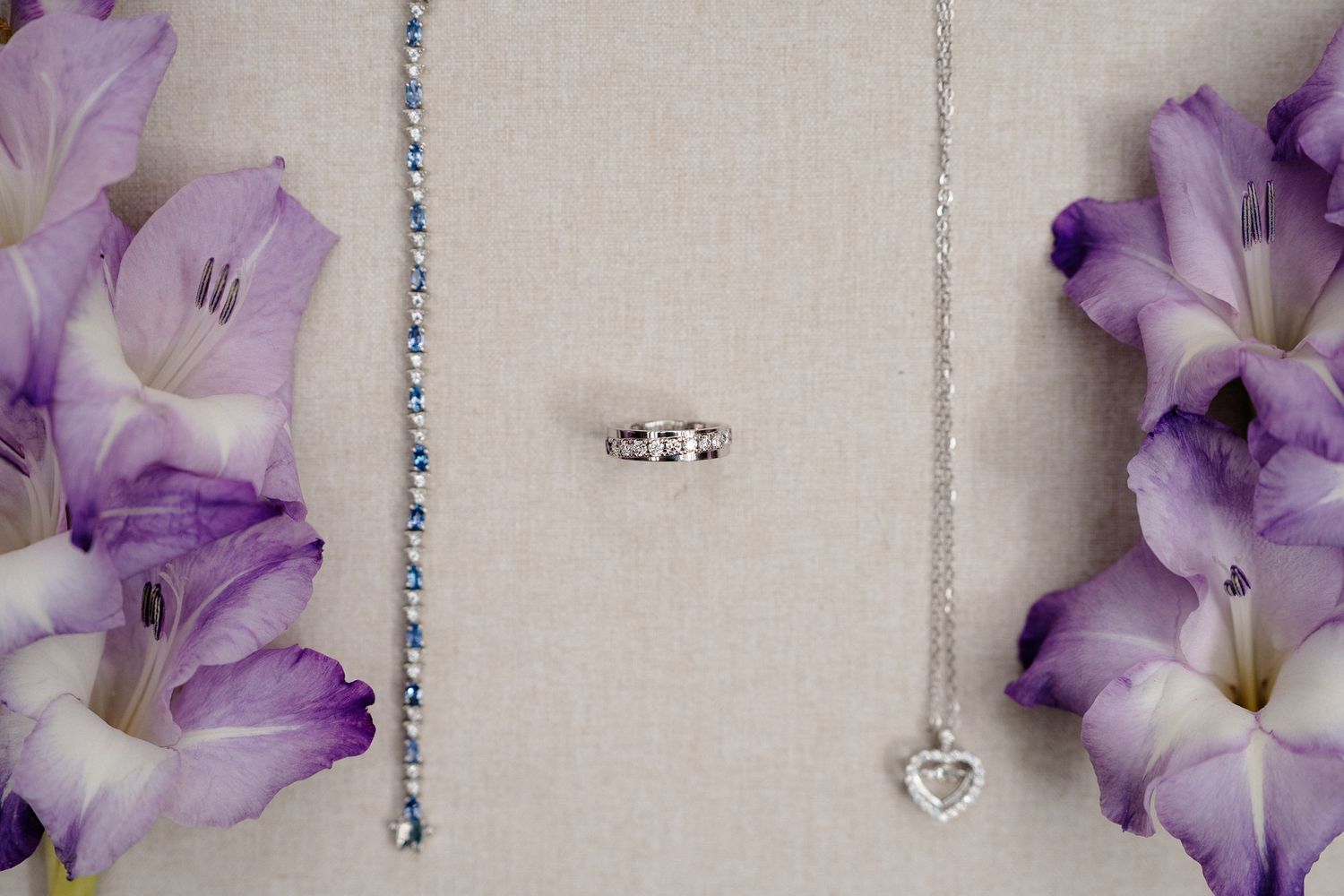
The sharpness of the lens makes for incredible captures of details up close
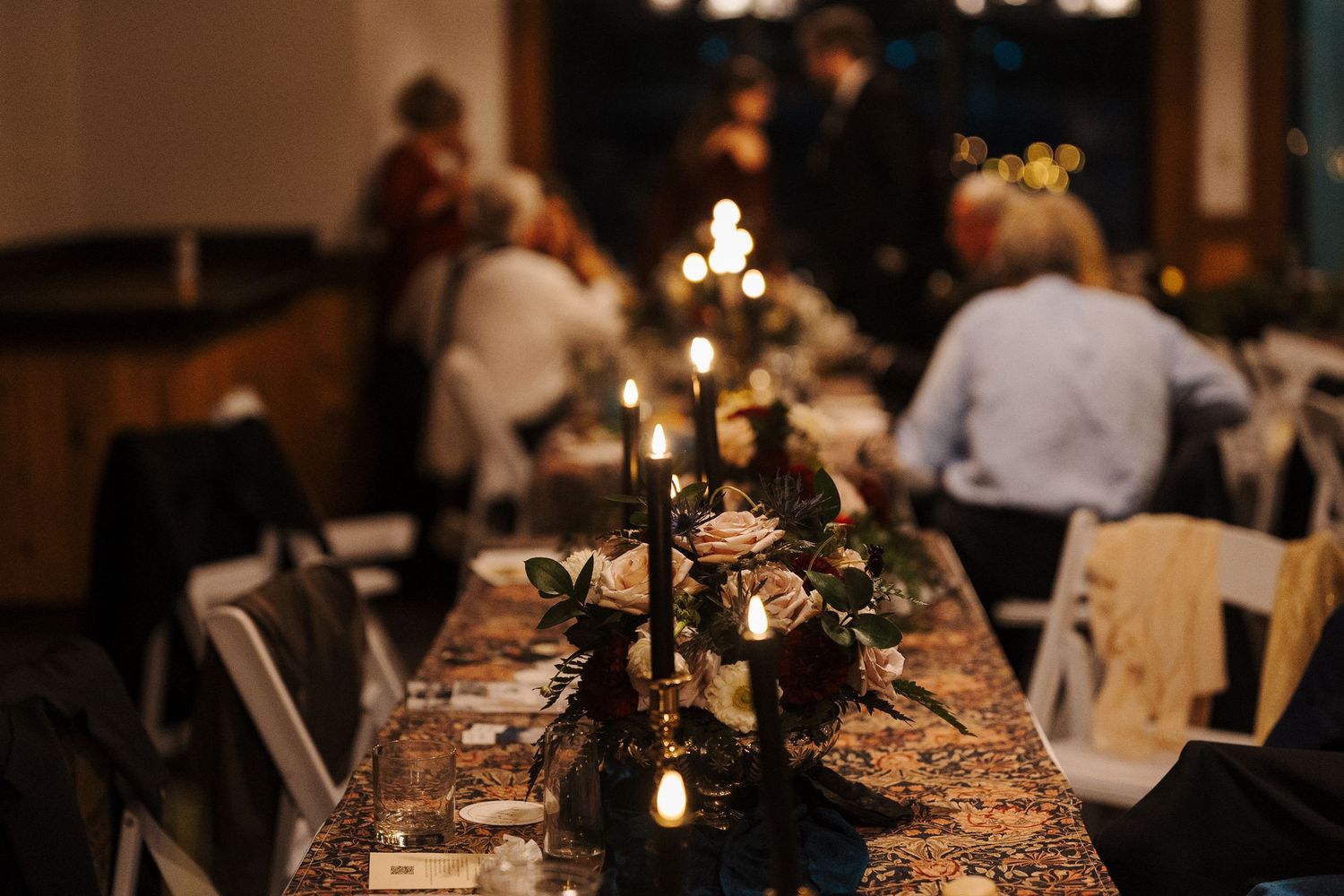
F2 allows you to capture ambience of extremely dark rooms, like this reception which was SO DARK
My pros (why I love this lens)
Lightweight for what it is
Sony lists it at 918g, and that’s honestly impressive for a constant-F2 zoom.
Also, if you’ve ever handled Canon’s RF 28–70mm F2 (which is about 1430g), you immediately understand why I’m calling the Sony “lightweight for what it is.”
The bokeh is ridiculous
F2 + GM rendering + the 11-blade aperture = backgrounds melt in a way that feels prime-like.
It’s not just “blur.” It’s that clean separation that makes wedding images feel expensive.
The rings feel premium
The zoom is extremely smooth, and Sony even built in adjustable zoom ring torque so you can tune the feel.
The aperture ring is also a joy, and the click ON/OFF option is perfect if you shoot hybrid photo/video.
Sharpness (in my real images) has been incredible
Sony positions this lens as having “sharpness and contrast” that rival primes, and based on what I’m seeing, I get what they mean.
Autofocus is extremely fast
Sony highlights four XD linear motors and specifically calls out reliability for high-pressure moments like weddings. That tracks with my experience.
My cons (the stuff you should know before buying)
The zoom range is “fine,” but not perfect
28mm isn’t bad—but it’s not 24mm. If Sony could’ve engineered this to start at 24mm without compromises, it would’ve been unstoppable. (I’m guessing physics and size/weight reality won that argument.) I would give Sony more respect if they locked in on figuring how to include that extra 4mm.
The price tag is painful
On Sony’s US store, the FE 28–70mm F2 GM is listed at $3,349.99.
That’s expensive as all hell. This is a lens for working professionals, or hobbyists with a very healthy gear budget.
For comparison, Sony lists the FE 24–105mm F4 G OSS at $1,399.99.
Still not cheap—but it’s in a totally different galaxy than $3.3K.
Of course, you can find both of these lenses used, with the 24-105mm being significantly cheaper.
The “F2 addiction” problem (my fault, but real)
This lens makes it very tempting to live at F2 all day. It looks so good that you have to remind yourself: depth of field is a tool, not a lifestyle.
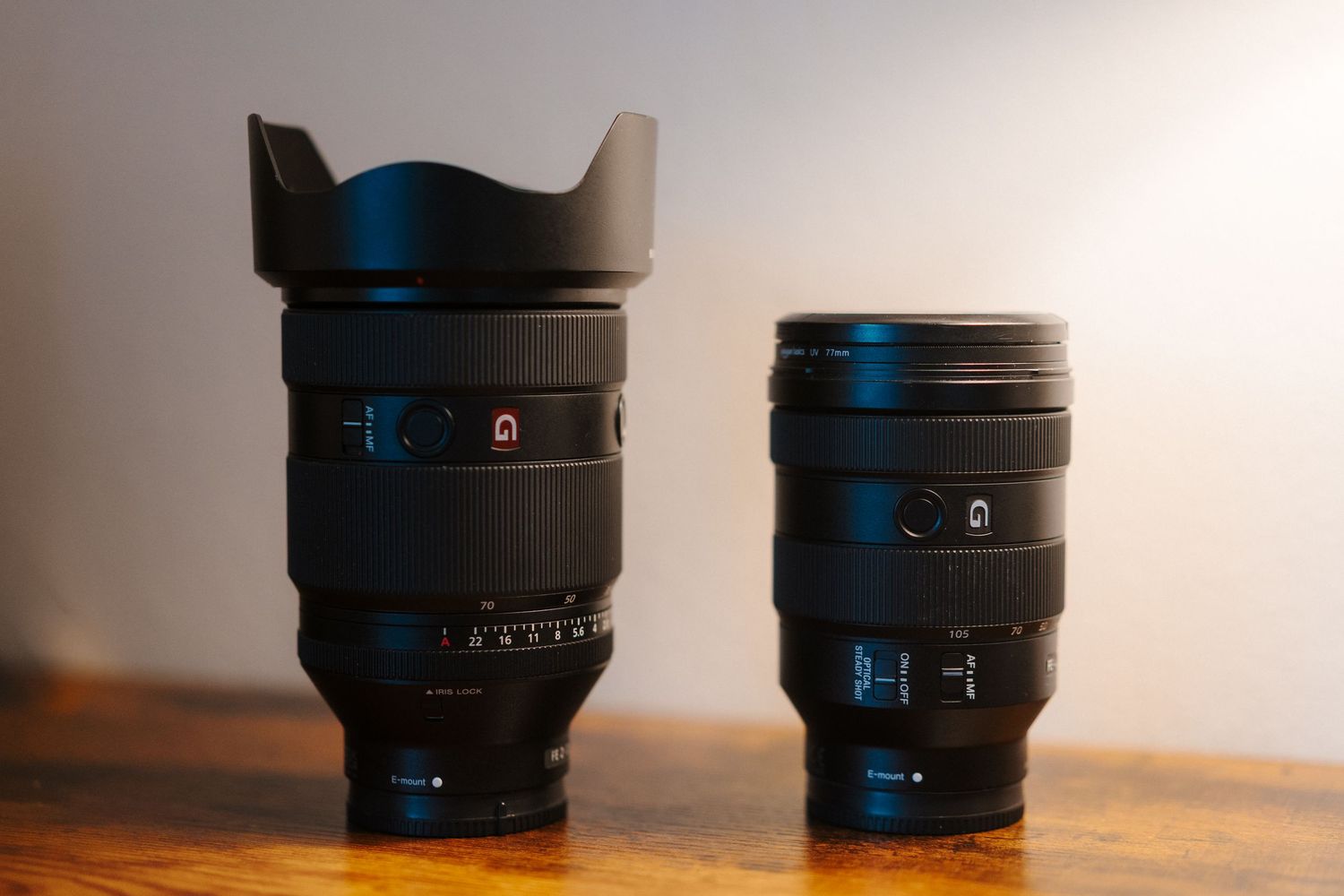
Why it became my go-to wedding lens
Weddings move fast. People move fast. Light changes fast. You rarely get a second chance.
The 28–70 F2 GM gives me:
Enough range to handle most of the day without lens swaps
Subject separation that makes moments feel cinematic
Speed and AF confidence when things get chaotic
Sony even calls out this exact “don’t miss a frame” use case (weddings / sports events) in their own description, which feels pretty accurate to the intent of this lens. On wedding days in Seattle and across Washington, I want one lens that can cover the chaos without sacrificing that clean, editorial look. This has become one of my favorite Sony wedding photography lenses for exactly that reason.
So… should you buy the 28–70mm F2 GM or stick with the 24–105mm F4?
Buy the 28–70mm F2 GM if:
Weddings/events are a major part of what you shoot
You want “prime look” separation with zoom convenience
You’re often in low light and want cleaner files
You value look over maximum range
Stick with (or choose) the 24–105mm F4 if:
You travel a lot and want one lens that does everything
You value 24mm wide and 105mm reach
You want OSS built into the lens
You want a killer workhorse without spending $3K+
And honestly: the 24–105 is still one of the smartest lenses Sony makes. It just depends whether you’re optimizing for coverage (24–105) or look + speed (28–70 F2).
My bottom line
The Sony FE 28–70mm F2 GM is a legitimately special wedding lens. It gives me the bokeh and low-light advantages I normally associate with primes, while keeping the flexibility of a zoom. The handling is pro-level, and the AF performance has been fantastic.
The tradeoffs are real: you lose 24mm, you lose reach, and you pay a lot for the privilege.
But if your work benefits from that F2 look (and weddings absolutely do), this lens earns its place.
If you’re planning a wedding in Seattle or anywhere in Washington State and want photos that feel timeless, emotional, and sharp (with that creamy F2 look), this lens has been a game-changer in my kit. If you’re looking for a Seattle wedding photographer who shoots Sony and loves fast-paced days with real moments, you can reach me through my contact page.